


Prof. Arti Ahluwalia – University of Pisa
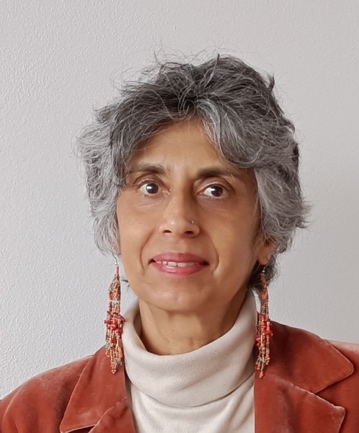
Arti Ahluwalia is Full Professor at the Department of Information Engineering, University of Pisa. She is involved in leveraging biomedical technologies and education for health equity and has contributed to the creation of the “Africa Biomedical Engineering Consortium” (www.abec-africa.org), dedicated to improving health in Africa through the training of biomedical engineers and the UBORA platform (www.ubora-biomedical.org) for collaborative design of safe, open medical technology. She also contributes to development of technologies and teaching resources for improving animal welfare through the 3Rs Principles (Replacement, Refinement, Reduction), founding the EU3Rnet (https://eu3rnet.org/)and promoting 3Rs in research in Europe and across the globe.
Prof. Fidelis Kilonzo – Kenyatta University
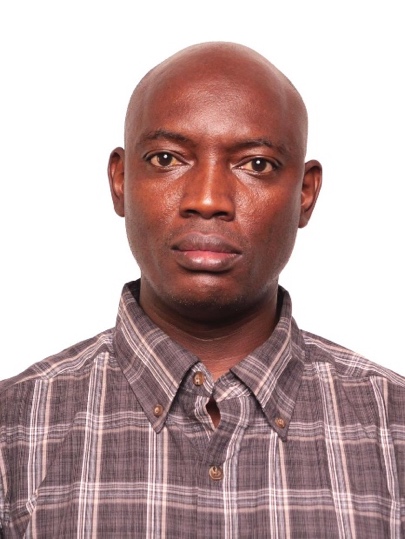
Dr. Eng. Fidelis Ndambuki Kilonzo is a distinguished Environmental Engineering practitioner and academic leader with over 28 years of progressive experience in engineering practice, education, environmental management, and institutional leadership. Dr. Kilonzo served as a Visiting Professor and Fulbright Scholar-in-Residence at the College of Engineering and Computational Sciences, New York Institute of Technology (2024/2025), where he continues to advance international perspectives on engineering education. His leadership extends across multiple high-impact roles including Board Member of the Global Tourism Resilience and Crisis Management Centre Eastern Africa, member of the Management Board of the Kenya Education Network, and Steering Committee Member of Stanford University Byers Center for Biodesign’s East Africa Biodesign Program. He is a Washington Accord Assessor by the Engineers Board of Kenya and serves on the Blue-Ribbon Committee of the African Skills and Development Group.
A registered Professional Engineer and active member of the Institution of Engineers of Kenya, Dr. Kilonzo chaired the Agriculture Subcommittee of IEK’s Policy, Research and Advocacy Committee. He also contributes to the Kenya Bureau of Standards’ Sanitation and Water Treatment Technical Committee, bringing practical expertise from his extensive background as a Compliance and Enforcement Officer, and gazetted Environmental Inspector with NEMA.
Dr. Kilonzo holds a joint Doctorate in Engineering from Free University Brussels, Belgium and IHE-Delft Institute for Water Education, Netherlands, along with Master’s degrees from Lüneburg University, Germany and Ghent University, Belgium. His undergraduate degree in Agricultural Engineering is from Jomo Kenyatta University of Agriculture and Technology. His current passion in in Ethics of Innovation and the implementation on the FAIR and CARE principles in co-creating Human-centered design projects.
Prof. Leandro Pecchia – University Campus Biomedico of Rome
Leandro Pecchia is Chair of Biomedical Engineering at the University Campus Bio-Medico (UCBM) in Rome, Italy. At UCBM, he is the Vice-Rector for the Research and directs the “Intelligent technologies for health and wellbeing” and the Center for “Technology for Global Health”. Since December 2021, the Italian Minister of Health appointed Prof Leandro Pecchia as one of the three medical device experts of the Technical and Clinical Committee of the Ministry of Health.
From 2020 to September 2023, he worked as Innovation Manager for the World Health Organization (WHO), Emergency program (WHE) Infection Prevention and Control (IPC) unit. Since September 2013, he has been professor of biomedical engineering at the University of Warwick, UK, where he still co-direct the Applied Biomedical Signal Processing and Intelligent eHealth Lab (ABSPIE). From 2010 to 2013, he worked with the University of Sheffield and the University of Nottingham, in the UK.
Fundamentals of Digital Fabrication
Carmelo De Maria – University of Pisa
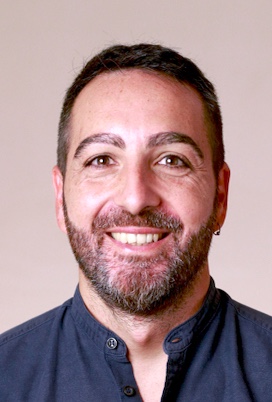
Carmelo De Maria is an Associate Professor in Bioengineering at the Dept. of Information Engineering of the University of Pisa (Italy) and carries out his research in the Biofabrication Laboratory of the Center “E. Piaggio” of the same Institution. He is the author of several peer-reviewed papers, and he is involved in research projects funded by public and private entities, focused on the AI-enhanced 3D/4D printing of biomaterials and biological materials for the development of advanced therapies and innovative medical devices. Finally, De Maria is active in international cooperation to increase the access to safe and sustainable medical technologies in low-resource settings.
Pierpaolo Fucile – University Campus Biomedico of Rome
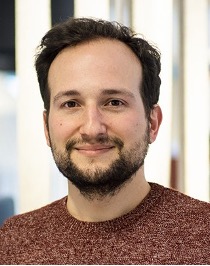
Pierpaolo obtained his Bachelor’s Degree in Biomedical Engineering at the University of Naples Federico II, focusing his work on superparamagnetic scaffolds for advanced Tissue Regeneration. He got his Master’s Degree in Bioengineering with a focus on human tissues and cells at the University of Pavia, working on the bioprinting of nanocomposite scaffold for bone tissue regeneration. He got back to the University of Naples Federico II for his PhD in Biomorphological and Surgical Sciences, with a research project dealing with the generative design of multifunctional scaffolds with tailorable morphology for bone tissue engineering.
He then did his 4-years post-doc at MERLN Institute for Technology-Inspired Regenerative Medicine, in Maastricht (the Netherlands) in Lorenzo Moroni’s group. His research there mainly focused on the development of RAVEN, a hardware-agnostic platform for open-source robotic bioprinting. He also developed a universal slicing software for the design and trajectory optimization of complex architectures in Regenerative Medicine, and worked on many projects involving engineering, materials science and computer science.
At UCBM, as an Assistant Professor, he will work on ENKORE, aiming at enabling accelerated innovation through an ecoDesign framework (circular, safe & sustainable by design), minimising the environmental impact, reducing the carbon footprint, and maximising the use and preservation of resources while promoting industries’ prosperity.
Prof. Gabriele Oliva – University Campus Bio-Medico of Rome
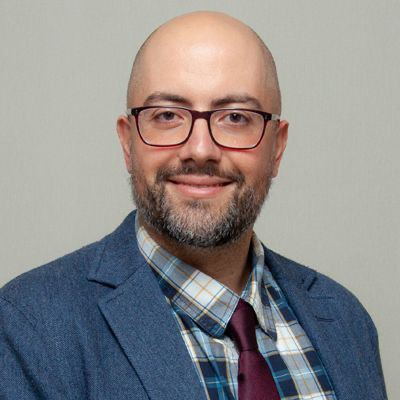
Gabriele Oliva received the M.Sc and the Ph.D. degrees in computer science and automation engineering from the University Roma Tre of Rome, Italy, in 2008 and 2012, respectively. He is currently an Associate Professor in automatic control with the University Campus Bio-Medico of Rome, Italy, where he directs the Complex Systems & Security Laboratory. (CoserityLab). Since 2022, he is an Associate Editor for the IEEE Control Systems Letters Journal. Moreover, he has been an Associate Editor for the Conference Editorial Board of the IEEE Control Systems Society and for PLOS ONE. His main research interests include distributed multi-agent systems, optimization, decision-making, and critical infrastructure protection.
Eng. Maria Elisabetta Pagnano, Eng. Claudia Ferraro – University Campus Bio-Medico of Rome


Maria Elisabetta Pagnano and Claudia Ferraro are PhD students in Bioengineering, Applied Sciences and Intelligent Systems at the University Campus Bio-Medico of Rome, within the Research Unit of Intelligent Health Technology for Health and Wellbeing, under the supervision of Prof. Leandro Pecchia.
Both hold a Bachelor’s Degree in Biomedical Engineering from the University of Naples Federico II and a Master’s Degree in Biomedical Engineering from the University Campus Bio-Medico of Rome.
Their research focuses on the development of Artificial Intelligence methods for healthcare applications. Maria Elisabetta works on AI models for the early diagnosis of rare diseases, with particular attention to ophthalmology and cardiology, aiming to anticipate diagnostic pathways and reduce underdiagnosis. Claudia focuses on AI-based decision support systems, developing predictive models for glucose monitoring through non-invasive approaches, including ECG-based signal analysis.
Together, they combine methodological expertise in machine learning with applied research experience in biomedical data analysis, contributing to the development of intelligent systems to support clinical decision-making and improve healthcare processes.
Prof. Vitoantonio Bevilacqua – Polytechnic University of Bari – Italy
Vitoantonio Bevilacqua is Full Professor in Bioengineering at the Electrical and Information Engineering Department of Polytechnic University of Bari (Italy) where is currently the Coordinator of the Master’s Degree in Medical Systems Engineering, the Head of Industrial Informatics and Bioengineering Lab, the Principal Investigator of the NRRP project “BRIEF – Biorobotics Research and Innovation Engineering Facilities” and the Scientific Responsible of the spoke 2 of the NPCI to the NRRP project “D34H – Digital Driven Diagnostics, prognostics and therapeutics for sustainable Health care”. In 2000 he was involved as Visiting Researcher in CAMERA (CAd Modeling Environment from Range Images) an EC funded Trans-Mobility of Researchers network and worked in Manchester (UK) at UK Robotics Ltd, in the field of geometric feature extraction and 3D objects reconstruction. In March 2019 he founded Apulian Bioengineering srl, a start-up and spin-off company of Polytechnic University of Bari and is currently its Chief Executive Officer. In September 2019 he joined the BioRobotics Institute of Scuola Superiore Sant’Anna di Pisa as Affiliate Professor. His teaching and research activity is focused on advanced diagnostic, therapeutics and rehabilitation systems based on intelligent processing and understanding of medical images, biosignals and bioinformatics. He published more than 270 international scientific papers.
Dr. Robert T. Ssekitoleko
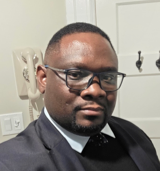
Dr. Robert T. Ssekitoleko is the Head of the Biomedical Engineering t at the College of Health Sciences, Makerere University, where he leads teaching, research, and innovation in biomedical engineering. He holds an MEng degree in Medical Engineering from Queen Mary University of London and an EngD in Biomedical Engineering from the University of Strathclyde, Glasgow. His expertise spans medical device innovation, health technology management, and biomedical engineering education in low-resource settings. Dr. Ssekitoleko is a member of the WHO Respiratory Care Expert Panel and the Global Lancet Commission for Oxygen, and serves as Adjunct Assistant Professor at Case Western Reserve University (USA). He has led several international collaborations with institutions such as Duke University and the University of Leeds, advancing affordable and user-friendly medical technologies for LMICs. His work emphasizes capacity building, mentorship, and the development of assistive and maternal health technologies, contributing significantly to medical device access and biomedical engineering education across Sub-Saharan Africa.
Phoebe Khagame – Oxygen Alliance

Phoebe Khagame is the Director of the Oxygen Alliance, a pan-African organization driving systems transformation in Health Technology Management and biomedical engineering capacity. She leads ecosystem-wide initiatives spanning situational analyses, workforce development, policy advocacy, and innovation platforms such as the BME-Konza app and BEST-LMIC Journal. Her work focuses on improving medical equipment uptime through sustainable, solutions.
Dr. Alan Fabbri – University of Bologna
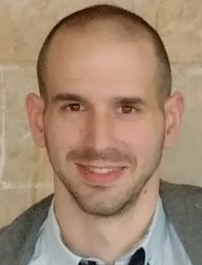
Alan Fabbri is currently a post-doctoral research fellow at the University of Bologna (UNIBO). After the PhD in Biomedical, Electrical and System Engineering in 2018, he got academic and industrial expertise combining simulations and lab experiments. From 2020 to 2025, as R&D engineer, he contributed developing and testing a high flow generator and a dialysis machine designed following the principles of reverse innovation.
Caterina Giuliani – University of Bologna

Caterina Giuliani is Project Manager for the Afya Moja project at the University of Bologna. She is a biomedical engineer with a background in medical device design. She is the Founder and CEO of the startup Bioverse srl. Since 2024, she has been collaborating with the Italian NGO Doctors with Africa CUAMM as a clinical engineer, focusing on the maintenance and management of medical equipment in Ethiopia.
Dr. Dawit Assefa – Addis Ababa University
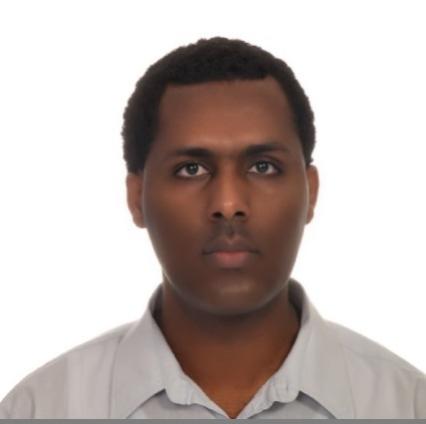
Dr. Dawit Assefa Haile is currently an Assistant Professor at the School of Biomedical Engineering, College of Technology and Built Environment, Addis Ababa University, Addis Ababa, Ethiopia. His major research interests include Medical Signal and Image Analysis, Color Image Processing, Artificial Intelligence, Scientific Computing, Optimization, and Bioinformatics. His collaborative research efforts involve translationally-driven imaging research that exploits advanced mathematical and image analysis assets for applications in preclinical and clinical biomedicine research.
Prof. George Otieno – Kenyatta University
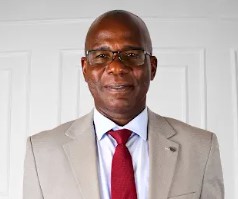
George Otieno is Associate Professor, Health Informatics in the School of Health Sciences. He Holds PhD and Msc in Health Informatics from International University of Health and Welfare, Japan. He is member of EAB Global Faculty in Training for Biodesign, Stanford University, US. He is a Co-PI on Gates Foundation funded project tilted “Evaluation of the Effect of Training and Implementation of the Portable Ultrasound Devices among Mid-Level Clinicians on Maternal and Neonatal Health Services in Selected Counties in Kenya”. He has won several grants and consultancies, Trains and teaches monitoring and evaluation of health programs, biostatics, health informatics and health systems strengthening. He is member of Kenya Health Informatics Association (KEHIA), Health Systems Management Association (HESMA).
Prof. Purity Nguhiu – Kenyatta University
Purity Nguhiu is Associate Professor at the Department of Animal Sciences, School of Agriculture and Environmental Sciences of Kenyatta University. She has expertise in Zoonosis, food and feed safety. Her mission is to impart knowledge and skills for improved and sustainable livestock production that ensures safety of foods of animal origin while safeguarding the livelihoods of the livestock farmers and the communities.
Her research niche has been in zoonotic parasitic infections, animal health and production priority areas of use of non-antibiotic growth promoters in livestock production alternative sources of proteins for animal feeds. Key research results are published in peer reviewed journals and are available online (ORCID ID: 0000.0002-1846-1126).
In teaching, she uses pedagogical approach, experiential and active learning for the students to gain the skills and knowledge. She encourages students share to their experiences and to disseminate their research findings in seminars, conferences and peer reviewed journals.
She participates in community outreach activities and services.
Dr. Vittorio Sedda – Campus Bio-Medico SpA – Italy
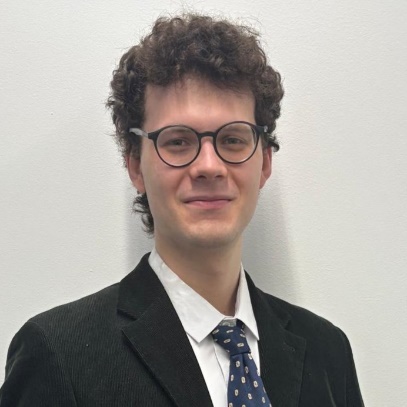
Vittorio Sedda is an industrial biotechnologist at Campus Bio-Medico SpA, promoter of Campus Bio-Medico University of Rome and founder of Campus Bio-Medico University Hospital Foundation (Italy). He holds a degree in Industrial Biotechnology from the University of Tuscia in Viterbo and specializes in controlled environment agriculture with solid experience in the design and management of hydroponic and aquaponic systems. His work focuses on integrating plant production, aquaculture and water recirculation systems, developing innovative solutions at both pilot and industrial scales. He is currently responsible for the Agri Hub, an integrated facility that combines coltivation in aquaponics, hydroponics and applied research contributing to the development and testing of sustainable, high-efficiency production models.
Prof. Judith Kimiywe – Kenyatta University
Judith is a Professor and a Certified Nutrition Specialist in the Department of Food, Nutrition and Dietetics at Kenyatta University. Her main goal is to bring about transformational change in livelihoods through translating nutritional science into sustainable action. Her research has centered on use of locally available resources and support systems to enhance food and nutrition security of individuals and communities to mitigate hunger, malnutrition and poverty. She has worked as a consultant for various international and UN agencies on development programs for informing policy for Kenya, Regional and internationally, and has made a significant contribution to formulation of country policies, strategic plans and guidelines. Has served as the Director of Center for Research ethics and chairperson Institutional Science Research Ethics Committee and a champion for NACOSTI/STI at Kenyatta University. She has contributed to the transformation on outlook of the research ethics in the emerging dispensation of innovative, digitalization of data collection, cross border collaboration and intra and interdisciplinary, community participatory approaches and strategies in conduct of research in institutions of higher learning.
Dr. Daniel Atwine – Mbarara University of Science and Technology
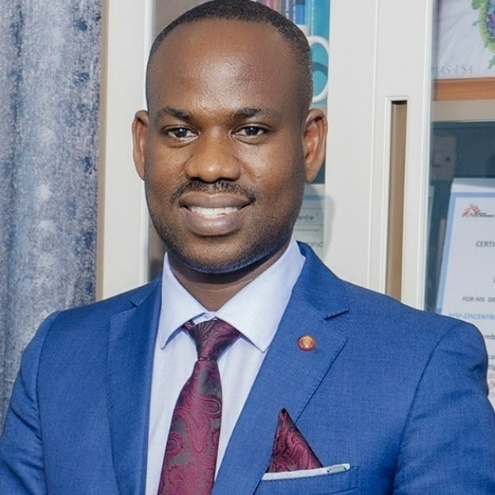
Dr. Atwine Daniel is a Ugandan medical doctor, epidemiologist, and senior scientist with over 18 years of experience in clinical and public health research spanning tuberculosis, HIV, malaria, maternal and child health, diagnostics, NCDs, and nutrition. He holds a PhD in Epidemiology, an MPhil in Science and Technology Studies, and an Advanced Master in Public Health Methodology. He co-chairs Uganda’s National TB Research Committee, consults for MSF Epicentre, and serves on research ethics committees at Mbarara University. He is the Founder of SRF Research & Training Centres and Soar Research Foundation, chairs the Global South Trials Network (GLISTEN) focussed on NCD research and African Biomedical Engineering Consortium. He has promoted biomedical innovation in Africa, and contributed to the national research guidelines, and has 85+ publications and extensive teaching experience.
Prof. Margaret Keraka – Kenyatta University
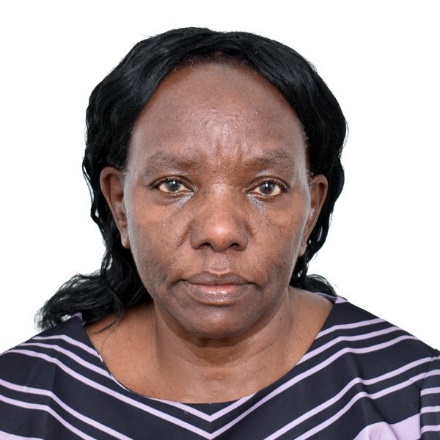
Prof. Margaret is a full professor of Environmental and Population Health. She lectures in the following areas in Population Health, Medical Demography, Gender Health, Research Methods, Health Education and Promotion, Health project planning monitoring and evaluation. She has researched and published widely in field of population, environmental health and reproductive health. She has co- authored a book on Burden of Childhood Diarrhea from Water, Sanitation and Hygiene focusing on low-income settlements in Nairobi
Prof. Niyi Osuntoki – University of Lagos
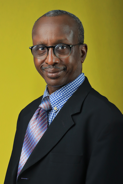
Akinniyi (Niyi) Osuntoki is the Dean of the Faculty of Basic Medical Sciences at the College of Medicine, University of Lagos, Lagos, Nigeria. A Professor of Biochemistry with over three decades of professional experience, his work is at the intersection of molecular biology, biotechnology and bioengineering, with a focus on translating scientific research into practical health care innovations. He has contributed to the development of green technologies for pollution remediation and the production of probiotics and functional foods using food grade lactic acid bacteria isolates from indigenous fermented products. He leads a multidisciplinary team focused on developing low-cost healthcare solutions and technologies. They have been awarded 2 patents for some of their work in health technology innovation. He is an Adjunct Professor of Molecular Biology and Biotechnology at the Nigerian Institute of Medical Research and a Fellow of the Academy of Medical Sciences of Nigeria.